TLDRs;
- Meta shares plunged 11%, erasing $29.2B from Mark Zuckerberg’s fortune in a single day.
- The company announced a $30B bond sale to fund AI infrastructure, triggering investor unease.
- Bezos and Page surpassed Zuckerberg in global wealth rankings for the first time since 2023.
- Analysts downgraded Meta amid mounting AI costs and long-term debt concerns.
Meta Platforms’ stock plunged 11% on Thursday, marking its largest single-day loss since 2022. The sharp decline followed the company’s announcement of a $30 billion bond issuance aimed at accelerating its artificial intelligence and data center buildout.
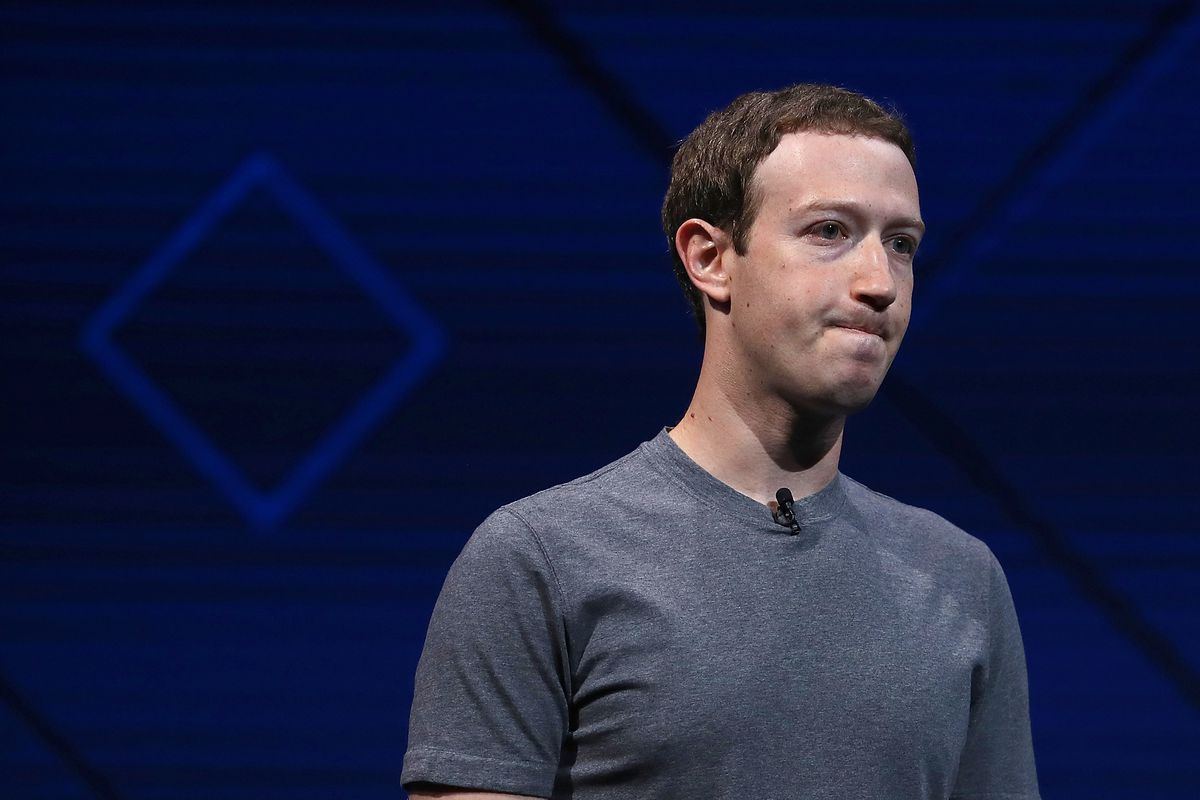
The selloff wiped $29.2 billion from Mark Zuckerberg’s net worth, dropping him to fifth place on the Bloomberg Billionaires Index with an estimated fortune of $235.2 billion. The rare wealth shuffle pushed Amazon founder Jeff Bezos and Alphabet’s Larry Page ahead of Zuckerberg for the first time since October 2023.
Meta’s plan is part of a broader push to expand its AI computing infrastructure, a move Wall Street views as necessary but financially risky. The company has already poured billions into AI-driven projects, including new data centers and generative AI models integrated across Facebook, Instagram, and Threads.

Special Purpose Vehicle Keeps Debt Off Balance Sheet
Meta’s $30 billion financing strategy relies on a Special Purpose Vehicle (SPV) structure to raise capital while shielding its core balance sheet from added debt. The SPV will oversee funding for the Louisiana Hyperion data center, a massive five-gigawatt campus designed to host AI training clusters and next-generation compute infrastructure.
According to filings, Blue Owl Capital holds 80% ownership in the SPV, while Meta retains 20%, effectively keeping over $27 billion in liabilities off its books. The bonds, rated A+ by S&P, mature in 2049 and are priced roughly 225 basis points above U.S. Treasuries.
This approach mirrors trends among hyperscalers like Microsoft and Amazon, which increasingly turn to off-balance-sheet financing to fund energy-intensive AI projects without jeopardizing credit ratings.
Analysts Raise Red Flags Over AI Spending
Despite strong year-to-date gains, Meta stock was up 28% earlier in 2025, the market’s reaction signals growing concern over the scale and sustainability of Meta’s AI ambitions. Two major analysts downgraded the stock after the announcement, citing “unprecedented capital intensity” and uncertain ROI timelines.
“The market is no longer rewarding aggressive AI spending without clear revenue visibility,” said one industry analyst. “Meta’s balance between innovation and financial prudence is being tested.”
Alphabet, by contrast, reported higher-than-expected cloud and AI revenue, sending its shares up 2.5%, further highlighting the diverging investor sentiment across Big Tech’s AI leaders.
Hyperion Project Signals AI Infrastructure Arms Race
The Hyperion campus in Louisiana is among Meta’s most ambitious infrastructure undertakings. Once fully operational, the facility could draw up to five gigawatts of power, roughly equivalent to the energy needs of several mid-sized cities.
Regional utility Entergy plans to deliver three gigawatts by December 2028, pending completion of substations, transmission lines, and new power plants. Meta’s supply chain initiatives also target emissions reduction, with new Requests for Proposals (RFPs) aimed at aligning suppliers with its 2025 sustainability goals.
Local businesses are expected to benefit as construction ramps up, peaking at around 5,000 workers on-site. Meta is also exploring nuclear energy partnerships to power its AI operations, with over 50 qualified submissions received from across 20 states.
Investor Confidence Tested as AI Race Heats Up
While Meta’s long-term AI strategy remains bold, investors appear uneasy about its short-term financial implications. The bond sale underscores the high-stakes competition in AI infrastructure, a race that demands vast capital outlays but promises uncertain near-term returns.
Zuckerberg’s vision of an AI-powered future is clear, but with debt mounting and market patience thinning, Meta faces a critical test of endurance.
The company’s ability to balance innovation, cost control, and investor confidence will determine whether this latest drop marks a short-term setback, or the start of a deeper correction.
Newton Kitonga
Newton Kitonga is a lawyer and crypto enthusiast. He has over five years of experience analyzing derivative markets, FinTech, research, and Decentralized Finance.