TLDR
- Russia may drop top-tier rule limiting legal crypto to ultra-wealthy.
-
Regulators aim to ease access and grow the domestic crypto market.
-
Ministry of Finance and Central Bank now agree on most crypto issues.
-
Crypto may gain traction in Russia amid inflation and payment shifts.
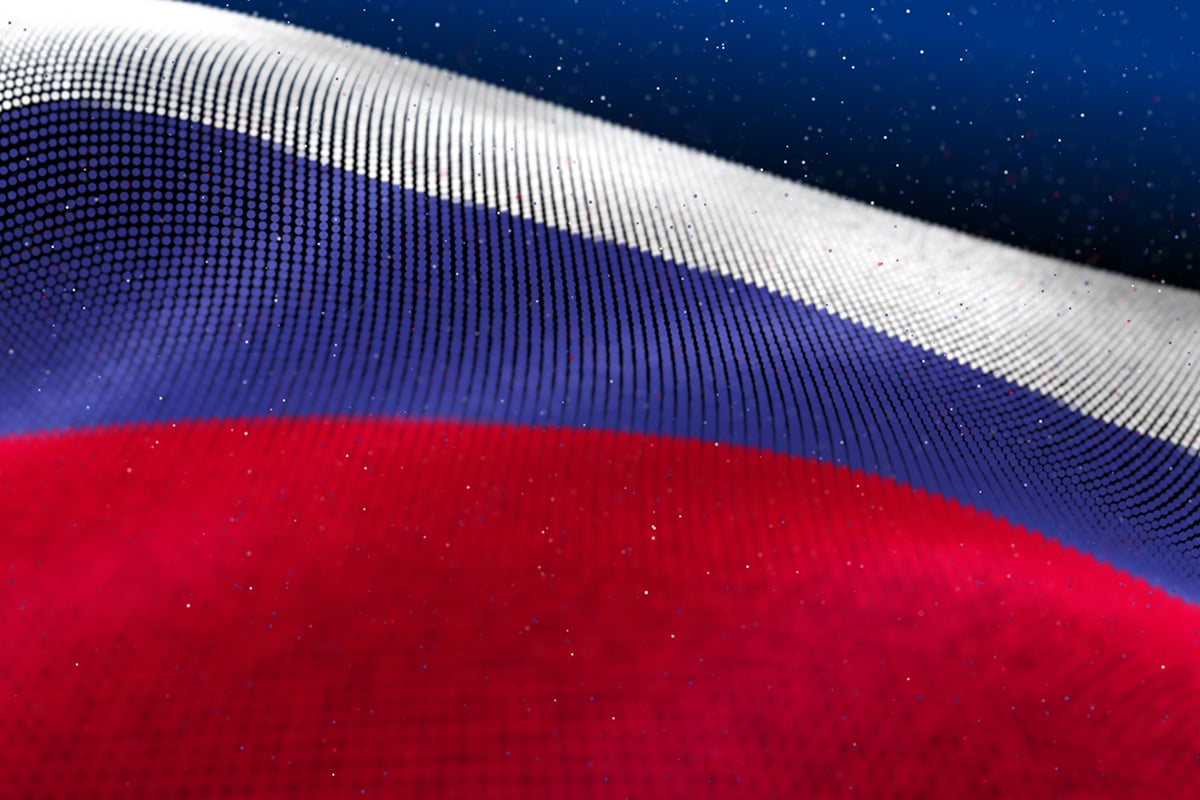
Russia’s Ministry of Finance is working to simplify crypto investor qualification rules by abandoning the “superqual” classification, a policy once central to its legal crypto pilot framework. The decision, shared through national media and official statements, comes as part of broader efforts to bring more participants into the country’s regulated digital asset markets.
The previous plan limited access to a small number of wealthy individuals, defined by over 100 million rubles in assets or large annual incomes. These “superqualified investors” were originally the only group allowed to legally trade digital assets under the early regulatory blueprint. Deputy Finance Minister Ivan Chebeskov confirmed this concept is no longer a priority and said ongoing reforms would instead promote wider inclusion.
Russia’s Regulators Reach Agreement on Crypto Policy Adjustments
Russia’s Ministry of Finance and the Central Bank have often disagreed on how digital assets should be handled. But both institutions now appear aligned on key areas of crypto oversight. According to state-backed news reports, the regulatory bodies have resolved most outstanding issues and are moving forward with implementing a pilot framework that supports broader public engagement.
This shift in policy follows Russia’s move to permit Bitcoin for cross-border trade in response to financial restrictions. In parallel, the ministry has also allowed banks more freedom to engage with digital assets. These moves signal a clear departure from the previously cautious stance the country held toward crypto integration.
The new policy direction is expected to bring the unregulated domestic market under closer state oversight while allowing more citizens to interact legally with digital assets. Lowering the bar for investor entry could also enhance trading activity and improve visibility of crypto operations to regulators.

Market Reactions Suggest Optimism But No Major Price Volatility Yet
At the time of writing, there have been no immediate price movements in major cryptocurrencies tied directly to this announcement. However, analysts suggest the long-term effect could be structurally positive. The changes are seen as part of a larger trend toward regulatory clarity, which can influence long-term confidence and increase institutional participation.
Previous cases in other jurisdictions support this view. When Japan implemented crypto-friendly policies or the United States approved Ethereum ETFs, markets responded with optimism. In contrast, restrictive policies such as China’s bans led to trading slowdowns. Russia’s current path seems to align with the more open frameworks, though with a controlled rollout and strong compliance oversight.
According to estimates, Russia’s crypto investment product market could grow to over 2 trillion rubles by 2026. With the superqual rule likely to be dropped, access to this legal framework may expand beyond ultra-wealthy participants, increasing both volume and liquidity.
Mixed Views Within the Crypto Community on Regulatory Reform
Reactions from the Russian crypto community are varied but generally acknowledge the shift toward broader inclusion. On digital platforms and forums, users have shared cautious optimism, interpreting the news as progress in formalizing the industry. Still, many remain skeptical about the Central Bank’s stance, which continues to restrict domestic crypto payments and push for rigorous monitoring.
Deputy Finance Minister Chebeskov’s recent remarks have reassured some observers that crypto will no longer be confined to elite investors. The changes could lead to higher engagement from retail users and small-scale investors, especially amid inflation concerns and demand for alternative savings tools.
However, community responses also reflect frustration with delays and inconsistencies in policy rollout. Some voices within the local ecosystem refer to the slow reform process as chaotic or difficult to follow. Questions remain about which segments of the market—such as DeFi, NFTs, or Web3—will benefit most under the evolving regulatory structure.
Crypto Project Landscape May Shift as New Rules Emerge
The full scope of the rule changes remains under discussion, and the final framework will determine their effect on projects operating inside Russia. For DeFi protocols and trading platforms, clearer rules could bring new users into regulated channels. However, compliance demands may also raise operational challenges.
NFT use in payments is still restricted in Russia, and this update does not address that policy. But Web3 applications building within a regulated environment may find new opportunities, especially if the government offers incentives or technical guidance for compliance.
Kelvin Munene
Kelvin Munene is a crypto and finance journalist with over 5 years of experience in market analysis and expert commentary. He holds a Bachelor’s degree in Journalism and Actuarial Science from Mount Kenya University and is known for meticulous research in cryptocurrency, blockchain, and financial markets. His work has been featured in top publications including Coingape, Cryptobasic, MetaNews, Coinedition, and Analytics Insight. Kelvin specializes in uncovering emerging crypto trends and delivering data-driven analyses to help readers make informed decisions. Outside of work, he enjoys chess, traveling, and exploring new adventures.