TLDR
- SEC categorizes tokenized securities as issuer-backed or third-party issued.
- Blockchain use does not exempt tokenized assets from securities laws.
- Synthetic tokenized assets may lack voting rights and issuer information.
- SEC guidance confirms crypto-ledgers don’t change a security’s legal status.
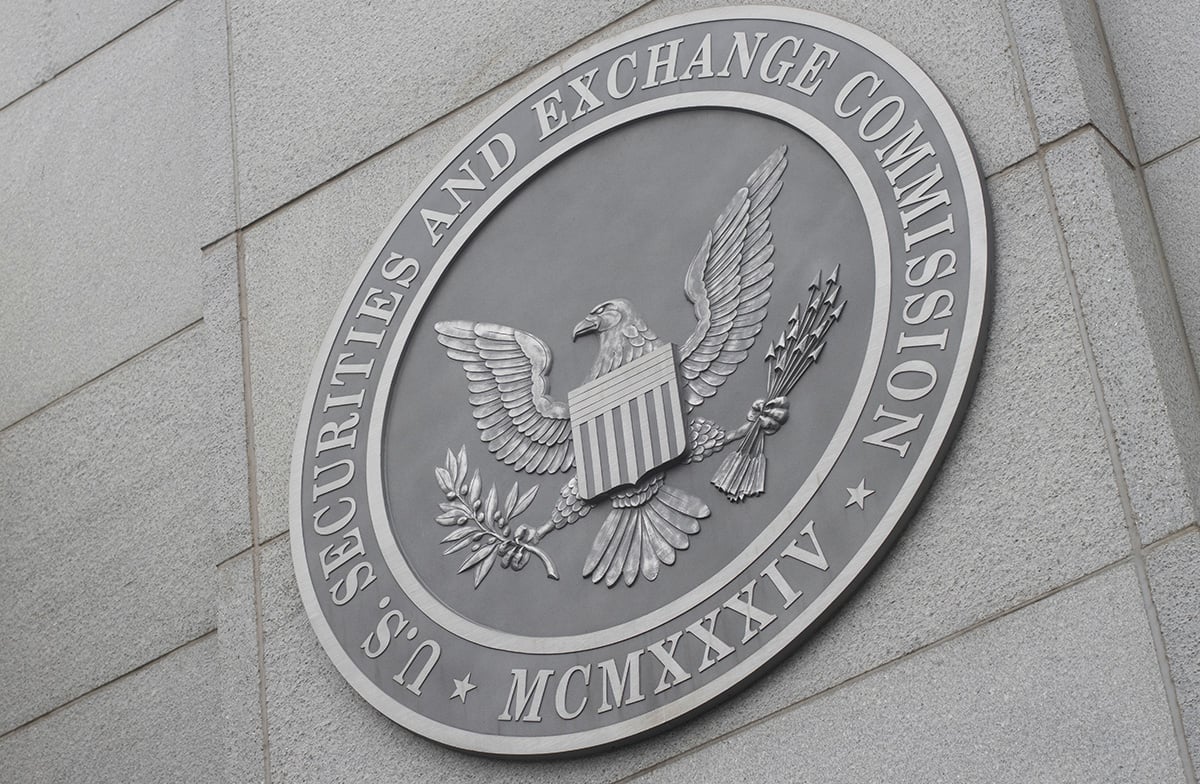
The U.S. Securities and Exchange Commission (SEC) has issued new guidance on tokenized securities, offering a clearer distinction between issuer-backed and third-party tokenized assets. This move aims to help market participants understand how existing securities laws apply to digital formats of traditional financial instruments.
Issuer-Sponsored Tokenized Securities
The SEC has confirmed that securities directly tokenized by or on behalf of issuers fall within current regulatory frameworks. These are called issuer-sponsored tokenized securities. They involve companies integrating blockchain into official ownership records or using tokens to update records offchain.
In its statement, the SEC said, “The format in which a security is issued or the methods by which holders are recorded does not affect application of the federal securities laws.” This means that tokenized assets issued by the original company carry the same rights, responsibilities, and registration requirements as traditional securities.
The agency explained that issuers may choose to use onchain networks as the master record of ownership. They may also issue tokens that signal updates to offchain records, maintaining legal ownership structures as per traditional practices.
Third-Party Tokenization: Custodial and Synthetic Models
Third-party tokenized securities are created without involvement from the original issuer. These come in two forms, custodial and synthetic. The SEC said custodial models use tokens to represent entitlement to securities held by a third-party custodian. In this model, investors indirectly own the underlying security.
Synthetic models do not represent actual ownership. Instead, they provide exposure to underlying securities through structured notes, linked securities, or security-based swaps. These assets often exclude voting rights, access to issuer disclosures, or legal equity ownership.
The agency noted, “Investors may be exposed to risks with respect to the third party, such as bankruptcy.” These synthetic formats may require additional compliance, especially when offered to retail investors.
No Change to Legal Status Through Tokenization
The SEC emphasized that blockchain is only a format for maintaining records. Tokenization does not change the identity or legal obligations of a security. The same federal securities laws apply, including rules related to registration, disclosure, and investor protections.
A tokenized security is still a financial instrument under U.S. law, even if it appears differently due to blockchain use. The agency stated that digital formats may coexist with traditional ones. Companies may offer tokenized shares alongside traditionally issued shares without affecting the class structure.

The staff clarified, “Ownership may be recorded wholly or partly through one or more crypto networks,” but that does not exempt issuers from compliance. Even when tokens are used to signal transfers, the legal change of ownership still relies on updated offchain records.
Market Response and Regulatory Approach
Tokenization platform Securitize welcomed the SEC’s direction, calling it a step toward modernizing securities infrastructure. “Clear frameworks like this are key to responsibly scaling tokenization,” the company said on X.
Meanwhile, the SEC reiterated that these new structures must align with existing investor protections. It said tokenized securities must be managed within regulated market safeguards. For example, the agency prefers broker custody over crypto-native self-custody, which it sees as riskier.
The SEC also allowed the Depository Trust and Clearing Corporation to test onchain settlement for certain securities. However, the agency urged firms to engage directly with it before launching tokenized securities, especially when involving third-party models.
The guidance was issued by the Division of Corporation Finance, Division of Investment Management, and Division of Trading and Markets to help firms prepare for compliance while using blockchain technology in regulated offerings.
Kelvin Munene
Kelvin Munene is a crypto and finance journalist with over 5 years of experience in market analysis and expert commentary. He holds a Bachelor’s degree in Journalism and Actuarial Science from Mount Kenya University and is known for meticulous research in cryptocurrency, blockchain, and financial markets. His work has been featured in top publications including Coingape, Cryptobasic, MetaNews, Coinedition, and Analytics Insight. Kelvin specializes in uncovering emerging crypto trends and delivering data-driven analyses to help readers make informed decisions. Outside of work, he enjoys chess, traveling, and exploring new adventures.