TLDR
- Tesla invests $2 billion in CEO Elon Musk’s AI company xAI through a Series E Preferred Stock purchase
- Cybercab robotaxi production remains on track for 2026, with plans to deploy fully autonomous vehicles in a quarter to half of the U.S. by year-end
- Tesla will discontinue Model S sedans and Model X SUVs to repurpose factory space for humanoid robot production
- Energy generation and storage revenue hit a record $3.84 billion in Q4, up 25.5% year-over-year
- Capital expenditures will more than double to above $20 billion in 2026 from $8.5 billion in 2025
???? Find the Next KnockoutStock!
Get live prices, charts, and KO Scores from KnockoutStocks.com, the data-driven platform ranking every stock by quality and breakout potential.
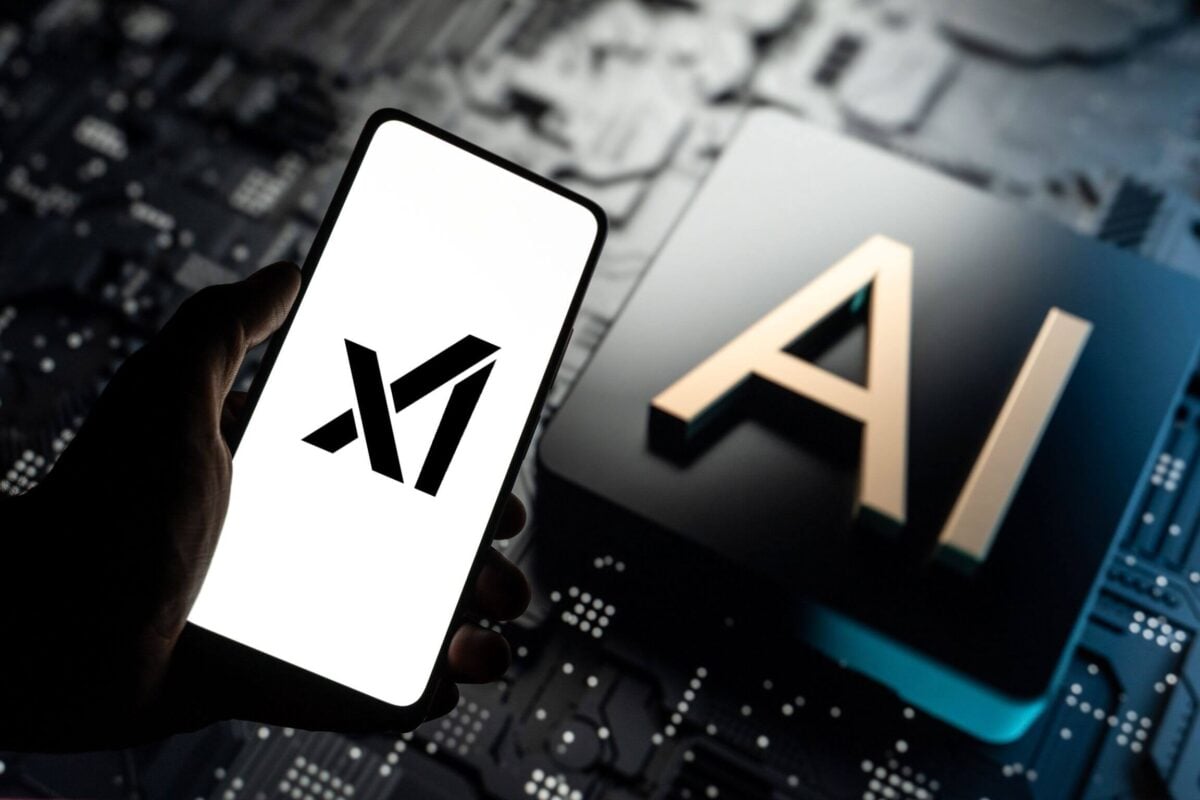
Tesla confirmed a $2 billion investment in xAI, the artificial intelligence company led by CEO Elon Musk. The electric vehicle maker entered into an agreement on January 16, 2026, to acquire shares of xAI’s Series E Preferred Stock.
BREAKING: Tesla has officially announced that they have invested $2 billion into @xAI.
Statement: “On January 16, 2026, Tesla entered into an agreement to invest approximately $2 billion to acquire shares of Series E Preferred Stock of xAI as part of their recent… pic.twitter.com/aAAph3Sey1
— Sawyer Merritt (@SawyerMerritt) January 28, 2026
This move officially links the fortunes of two Musk-controlled companies. The investment supports Tesla’s broader pivot from pure EV manufacturer to an AI-focused business, a shift that underpins much of its $1.5 trillion valuation.
The company’s robotaxi production plans remain a focal point for investors. Tesla reiterated that Cybercab production stays on track for this year. Musk said he expects fully autonomous vehicles to operate in a quarter to half of the United States by the end of 2026.
These timelines matter because Musk has missed previous robotaxi targets. He had initially predicted robotaxis would reach half the U.S. population by the end of 2025, then narrowed that to the top eight to ten metropolitan areas. Tesla currently runs a limited robotaxi service only in Austin, Texas.
The Cybercab will join Tesla’s robotaxi fleet alongside Model Y vehicles. The purpose-built robotaxi features no steering wheel or pedals. Consumers will also be able to purchase Cybercabs directly.
Major Production Shift Coming
Tesla announced it will stop selling Model S sedans and Model X SUVs. These flagship vehicles once established Tesla as an EV market leader but now represent a small fraction of revenue. The factory space will be converted to build humanoid robots.
This decision reflects Tesla’s changing priorities. The company is asking investors to bet on future revenue from self-driving software and robotaxis before auto sales recover. Traditional vehicle deliveries fell in 2025, marking Tesla’s first annual revenue decline at $94.83 billion, down 3% from 2024.
The core EV business faces pressure from competitors launching newer models at lower prices. A U.S. tax incentive for electric vehicles has ended. Musk’s political activities have also alienated some customers.
Tesla defended sales volumes through heavy discounts and lower-priced trims of popular models. Wall Street expects 1.77 million vehicle deliveries in 2026, an 8.2% increase.

Financial Performance and Margins
Fourth-quarter adjusted earnings per share came in at 50 cents, beating Wall Street targets of 45 cents. Net income fell 61% to $840 million in the quarter.
Automotive gross margin excluding regulatory credits reached 17.9%, up from 13.6% a year earlier. This topped expectations of about 14.3%. The margin improvement happened despite the revenue decline.
Energy generation and storage emerged as a bright spot. Revenue from this segment rose 25.5% to a record $3.84 billion in the December quarter. This beat analyst estimates of $3.46 billion. Demand for grid-scale batteries supporting renewable power and stabilizing electricity networks drove the growth.
Chief Financial Officer Vaibhav Taneja said capital expenditures will exceed $20 billion in 2026. That’s more than double the $8.5 billion spent in 2025. The spending will fund Cybercab production, humanoid robots, Semi trucks, and Roadster sports cars.
Tesla, Inc., TSLA
Tesla shares rose 3.5% in after-hours trading before pulling back to 1.8% after the capital expenditure details were revealed.
Musk warned about a potential memory chip shortage that could limit Tesla’s plans. He suggested building a chip-making plant to protect the company’s supply chain. The AI infrastructure build-out by tech firms has absorbed much of the world’s memory-chip supply, driving up prices.
Musk said Tesla doesn’t expect major Optimus humanoid robot production volume until the end of 2026. Initial production of both Cybercab and Optimus will start slowly before ramping up over time.
Regulatory hurdles remain for the Cybercab since current federal design standards require steering wheels and pedals. Musk hasn’t provided firm dates for regulatory approval or broad unsupervised deployment of Full Self-Driving technology.
An $878 billion pay package for Musk, tied to operational and valuation milestones, has reassured investors of his commitment to Tesla. Tesla shares rose about 11% in 2025 despite the challenging year for vehicle sales.